Dzianiny GVF

Many people may think that the terms “knit” and “fabric” are interchangeable, but in fact they refer to two completely different types of materials. The word “fabric” is often mistakenly used as a synonym for knitwear. To clarify this issue, we will present the most important characteristics of knitwear and its use in the clothing industry.

What is knitwear?

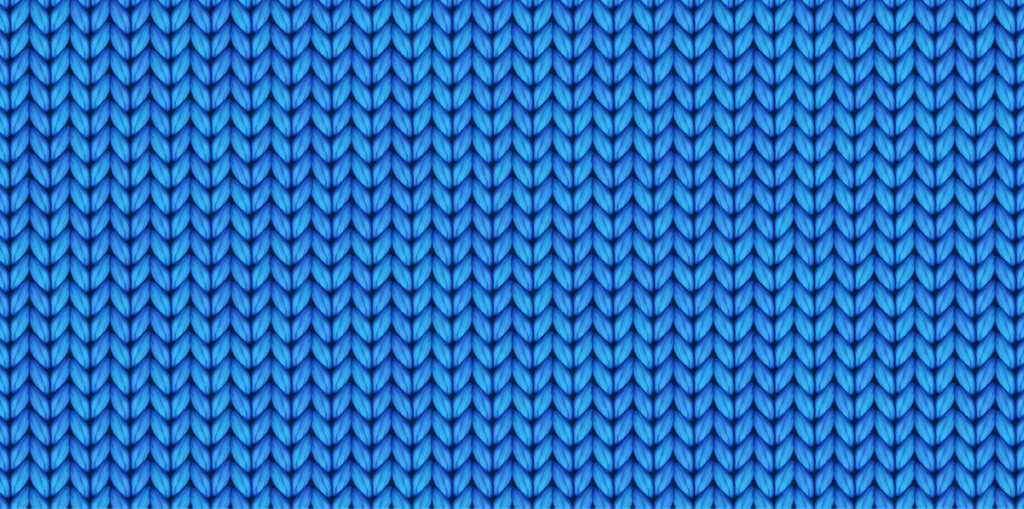
Knitwear is a material created by interlacing fibers in the so-called loops, called eyes, forming rows or columns. This unique structure makes the fabric soft, flexible and pleasant to the touch, making it an ideal material for clothing production. Knitwear is used in the production of sportswear, underwear, and casual clothing, because it works perfectly with the body, providing comfort when worn.

Single jersey fabric – popular single

One of the most recognizable types of knitwear is the so-called “single-bearing knit”, also known as single. This is a material widely used for the production of T-shirts. It is characterized by a thin structure and a clearly marked right and left side. Singles are made using a single set of needles and a single thread, which causes the fabric to tend to unravel easily and may lose a stitch if the thread breaks.

Sweatshirt fabric – warm and soft material

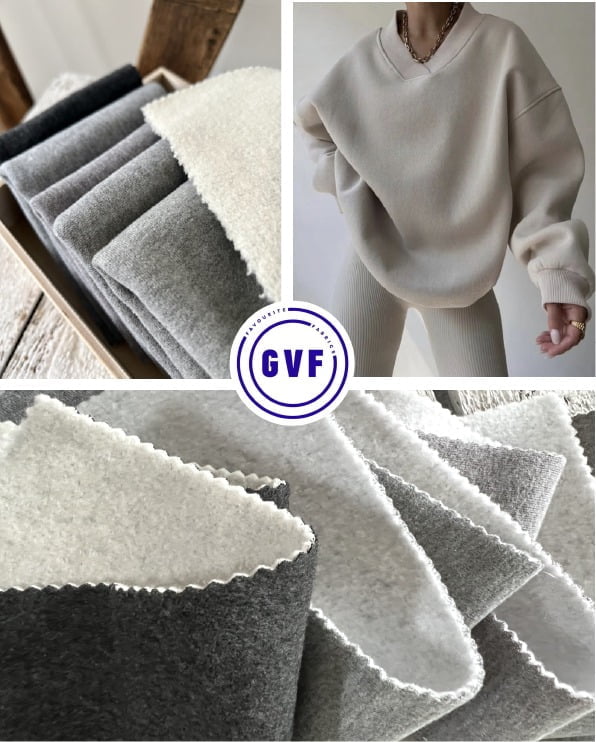
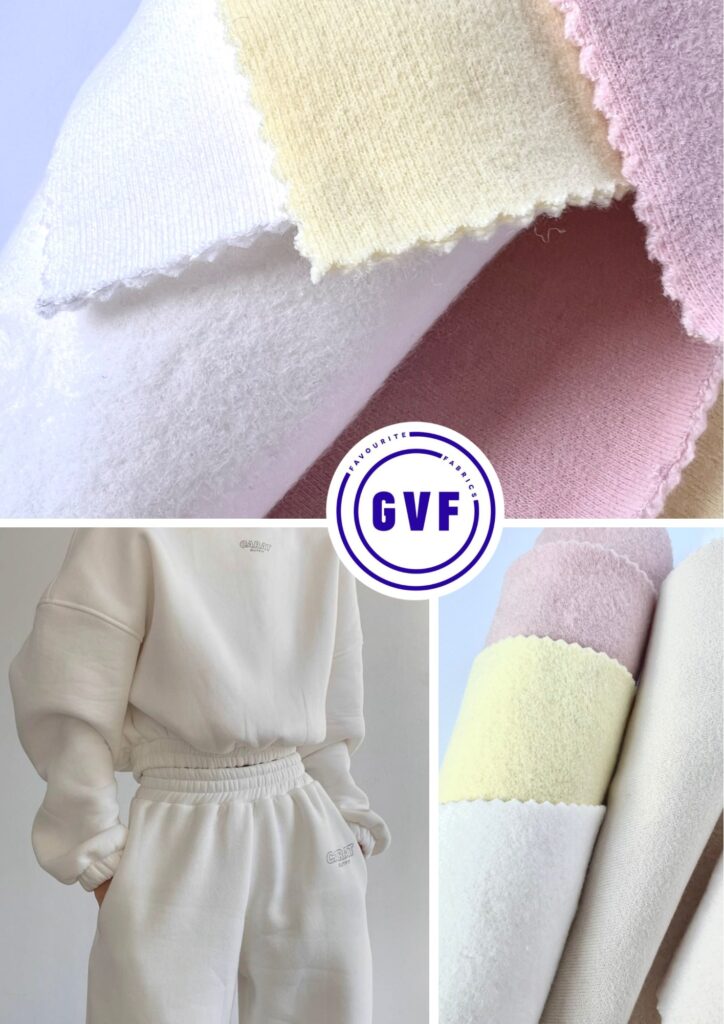
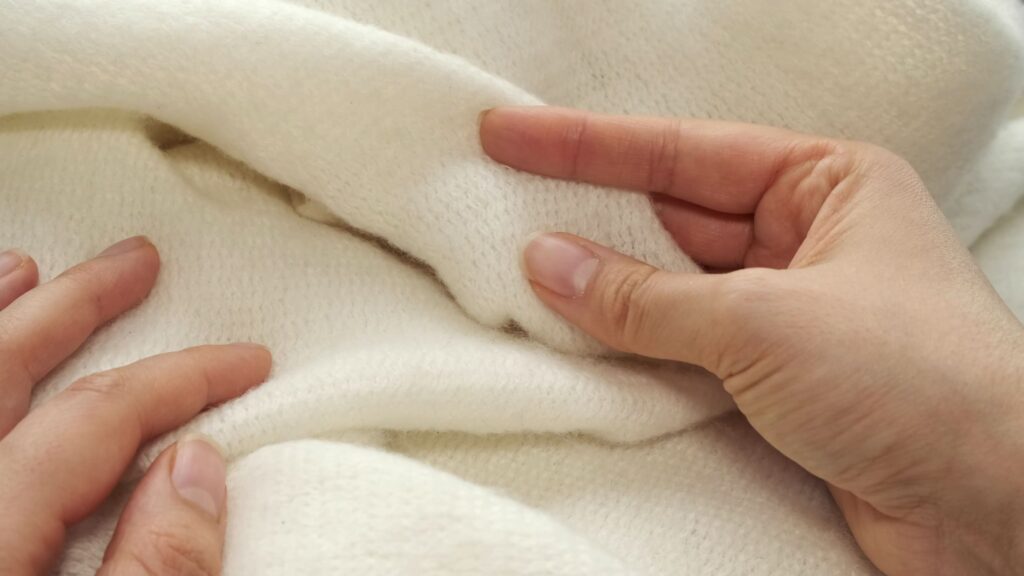
Sweatshirt fabric is another popular type of knit fabric that is made by adding a second thread to create a looped underlay. Thanks to this structure, the material has a porous structure that effectively insulates and retains heat. Additionally, the sweatshirt fabric can be subjected to further processing, such as scratching or emery, which makes it exceptionally soft and pleasant to the touch.

Types of knitwear

Knitwear is a very broad category of materials that includes many different types. Among them you can find fabrics such as:

  • Puller – an elastic material used in clothing finishes.
  • Interlock – a knit fabric with a dense structure, resistant to pulling.
  • Terry cloth – a material used in the production of sportswear and towels.
  • Velvet – a soft material with a delicate structure, often used in evening wear.
  • Pique – a knit fabric with a characteristic pattern, popular in the production of men’s clothing.
  • Jacquard – a knit fabric with woven patterns, used in the production of elegant clothing.

Why choose knitwear?

Knitwear is a material that combines durability, flexibility and comfort of use. We offer a wide range of knitwear that combine classic patterns with the latest fashion trends, thus meeting the needs of various customer groups. In our online store you will find the highest quality materials, certified by manufacturers, which ensures their safety and durability.

Our range of knitwear

As a Polish company based in Pabianice, we specialize in the production of knitted fabrics. We offer a wide range of materials, ideal for use in various industries – from sportswear to elegant everyday clothing. Our offer includes:

  • Single-colour fabrics – available in a wide range of colours.
  • Printed knit fabrics – perfect for producing casual and sportswear.
  • Knitwear with a 3D effect – modern materials that give clothes a unique look.

The knitwear we offer is distinguished not only by its high quality, but also by its care for the environment. Carefully selected materials and cooperation with certified manufacturers provide our customers with the highest comfort of use.

Summary

Knitted fabrics are materials that are widely used in the clothing industry, offering comfort, flexibility and durability. In our offer you will find a wide range of knitted fabrics, ideal for producing clothes for every occasion. Our company guarantees high quality, carefully selected materials and attractive designs that combine classic with modernity.

Nowadays, more and more people are paying attention to the impact of their lifestyle on the natural environment. One of the aspects worth considering is choosing the right materials. In this article, we will discuss the topic of cotton knitwear and its environmental friendliness. You will learn why ecological knitwear is so important for our planet and what benefits it brings to us. We will also present the differences between traditional and ecological materials and suggest how to choose cotton knitwear products that are environmentally friendly. We will also consider the sense of investing in products with an ecological certificate and discuss the idea of slow fashion and its importance in the context of environmental protection. We invite you to read!

cotton knit

Why is cotton knitwear environmentally friendly?

Cotton jersey is one of the most environmentally friendly materials that we can use in our products. Why? First of all, because cotton is a natural fiber obtained from the cotton plant. It does not require any chemical processes or synthetic additives, which means that its production does not negatively affect the environment. Unlike other materials, such as polyester or nylon, cotton jersey is biodegradable and does not pollute the environment after its use. In addition, cotton is easy to recycle and can be reused in other products. Another reason why cotton jersey is environmentally friendly is the fact that its cultivation does not require the use of pesticides or fertilizers. The cotton plant grows in natural conditions and does not need artificial help to grow. This means that cotton production does not negatively affect the soil or water quality. It is also worth mentioning that cotton jersey is hypoallergenic and does not cause skin irritation. This is especially important for people with allergies or skin problems. In conclusion, cotton jersey is one of the best choices when it comes to eco-friendly products. Its natural origin and lack of chemicals make it a safe material for both our planet and ourselves.

Eco-friendly knitwear – what benefits do they bring to us and the planet?

By choosing ecological knitwear, we contribute to protecting the natural environment. Why? Because these types of materials are produced in a more planet-friendly way. Their production process uses less water and energy, and also reduces the emission of harmful substances into the atmosphere.

The benefits of eco-friendly knitwear are not only environmental protection, but also benefits for ourselves. Such materials are safer for our health because they do not contain harmful chemicals that can negatively affect our skin and body.

In addition, ecological knits are often more durable and resistant to damage than traditional materials. Thanks to this, products made from such knits serve us for a longer time, which translates into less waste.

By choosing ecological knitwear, we also support the development of local communities and economies. The production of such materials often takes place in small craft workshops or family businesses, which has a positive impact on the local economy and job creation.

In summary, by choosing ecological knitwear, we contribute to the protection of the natural environment and take care of our health and the quality of the products we buy. Additionally, we support the development of local communities and economies. All this makes it worth considering choosing ecological knitwear for your next purchase.

ecological knitwear

How do ecological knitwear differ from traditional materials?

Eco-friendly knitwear differs from traditional materials primarily in the way it is produced. In the case of eco-friendly knitwear, this process is more environmentally and human-friendly. The use of natural dyes and the lack of harmful chemicals in the production process make eco-friendly materials safer for our health and the planet. It is also worth noting that eco-friendly knitwear is often produced in a more sustainable way. This means that manufacturers try to reduce water and energy consumption and minimize the amount of waste generated during production. Another important aspect that distinguishes eco-friendly knitwear from traditional materials is their durability. Eco-friendly knitwear is usually made of high-quality raw materials, which makes them more durable and less susceptible to damage. Ultimately, it is worth remembering that by choosing eco-friendly knitwear, we support manufacturers who care about the environment and people. Therefore, it is worth considering what products we buy and how they affect our planet.

How to choose cotton knit products that are environmentally friendly?

If you want to choose cotton jersey products that are environmentally friendly, you need to consider several factors. First, it is worth looking for products made of organic cotton. This is a material obtained from organic farming, without the use of pesticides and other harmful chemicals. This makes the production of such cotton more environmentally friendly and healthier for people. Second, it is worth choosing products made of recycled cotton. Such jersey is made from textile waste that is recycled. This reduces the amount of waste and uses less natural resources. Third, it is worth looking for products made in an environmentally responsible manner. This means that the manufacturer cares about minimizing the negative impact on the natural environment by using energy-saving technologies and minimizing greenhouse gas emissions. Fourth, it is worth choosing products from companies with ecological certificates. Such certificates confirm that the product meets certain standards regarding environmental protection and human health. To sum up, when choosing cotton jersey products that are environmentally friendly, it is worth considering several criteria: organic cotton, recycled cotton, manufacturer’s responsibility, and having ecological certificates. This way you can be sure that your purchases will not only be beneficial to you, but also to the planet.

Why is it worth investing in products with an ecological certificate?

If you care about protecting the environment, it is worth choosing products with an ecological certificate. Why? Because such products are manufactured in accordance with specific standards that are intended to minimize the negative impact of production on the environment.

An ecological certificate is a guarantee that the product is made of natural and environmentally friendly materials. In the case of cotton knitwear, the certificate confirms that the cotton comes from organic farming, without the use of harmful pesticides and chemical fertilizers.

By choosing products with an organic certificate, you support manufacturers who care about the environment and people’s health. Such products are often more expensive than their traditional counterparts, but it is worth remembering that we are investing in a better quality of life for ourselves and future generations.

In addition, by choosing products with an ecological certificate, we can be sure that they do not contain substances harmful to health. Often, various types of chemicals are used in the production process, which can have a negative impact on our health.

It is also worth remembering that by choosing products with an ecological certificate, we support the idea of sustainable development. Such consumption is more responsible and allows us to live in harmony with the natural environment.

What is slow fashion and how does it fit into the idea of ecology?

Slow fashion is an approach to fashion that prioritizes the quality and durability of products. Unlike fast fashion, where clothing production is quick and cheap, slow fashion focuses on long-lasting projects that are made with attention to every detail.

In the context of ecology, slow fashion fits into the idea of sustainable development. Products created under this approach are made of natural materials, such as cotton or linen, which minimizes the negative impact on the environment. In addition, thanks to the long life of slow fashion products, the amount of textile waste is reduced.

Slow fashion also encourages buying clothes with long-term use in mind. Instead of buying cheap products that wear out quickly and require frequent replacement, it is worth investing in high-quality clothes that will last for many years. This not only saves money, but also reduces the amount of textile waste.

It is worth remembering that slow fashion is not only an approach to fashion, but also a lifestyle. This means, among other things, looking for alternative ways to obtain clothes (e.g. second-hand), repairing broken products instead of throwing them away, and avoiding fashion trends and focusing on classic designs.

In summary, slow fashion is an approach to fashion that fits into the idea of ecology by minimizing the negative impact on the environment and reducing the amount of textile waste. It also encourages buying high-quality products and changing lifestyles to a more sustainable one.

Nowadays, more and more people pay attention to the quality and composition of the materials from which their clothes are made. One of the most popular types is cotton knitwear. In my article, I will present its properties and various applications. You will also learn why it is worth choosing cotton knitwear and what benefits it brings to your health and comfort of wearing. I invite you to read!

Contents:

  1. Properties of cotton knitwear
  2. Applications of cotton knitwear
  3. Why choose cotton knitwear?

Properties of cotton knitwear

Cotton knit fabric is a material that is very popular these days. It is made of natural cotton fiber, which comes from the cotton plant. Cotton knit fabric has many properties that make it so valued by clothing manufacturers and customers. One of the most important properties of cotton knit fabric is its softness and delicacy. This material is very pleasant to the touch and does not cause skin irritation. Therefore, it is often used to produce underwear and clothes for children and babies.

Another important feature of cotton knitwear is its high air permeability . This material allows air to flow freely, which ensures comfort even on hot days. In addition, cotton knitwear absorbs moisture well, which also affects the feeling of dryness and freshness when worn. Cotton knitwear is also very durable and resistant to mechanical damage. This material does not crease easily and does not lose color under the influence of sunlight. Therefore, clothes made of cotton knitwear are durable and long-lasting.

The last important feature of cotton knitwear is its ease of care. This material can be washed in a washing machine without worrying about its damage or loss of color. In addition, cotton knitwear dries quickly, which also facilitates the washing process. All these properties make cotton knitwear an ideal material for the production of everyday clothing and underwear. It is a skin-friendly, durable and easy-care material. Therefore, it is worth choosing clothes made of this knitwear to enjoy their comfort and durability for a longer period of time.

Applications of cotton knitwear

Cotton knitwear is a material that is used in many areas of life. It is characterized by high quality and durability. That is why it is often used in the production of clothing and home textiles. In the case of clothing, cotton knitwear is particularly popular due to its softness and comfort of wearing. It can be found in various forms – from thin and delicate knitwear ideal for summer clothes, to thicker and more durable materials that will work well in the autumn-winter period.

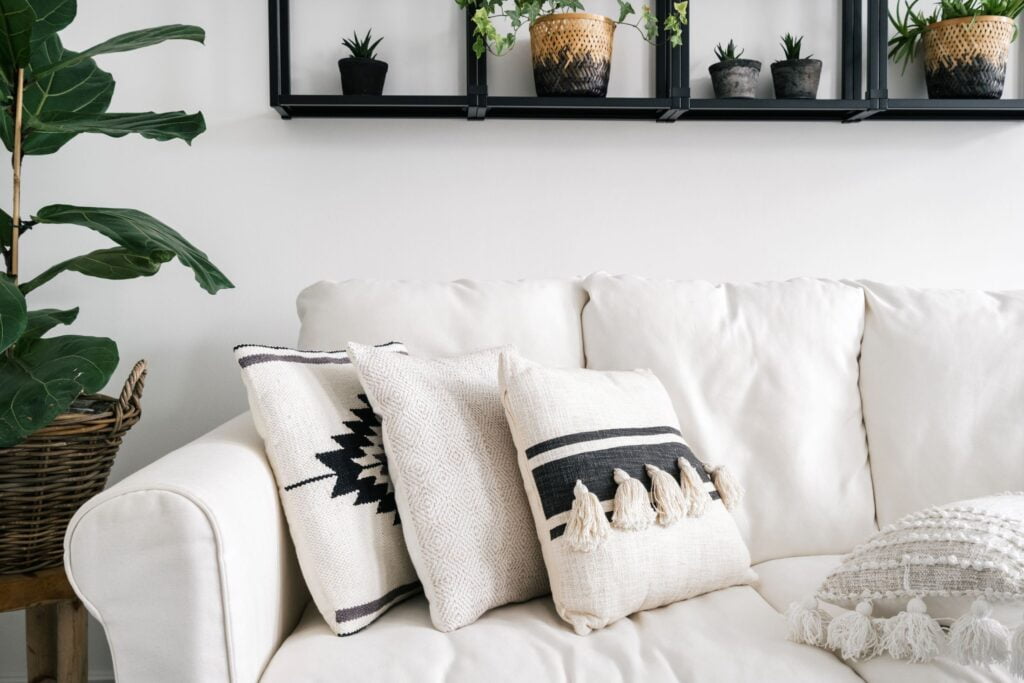
However, cotton knitwear is not only a material for clothing production. It can also be successfully used for interior decoration. For example, as a material for pillows, bedspreads or tablecloths. Thanks to this, the room will gain a cozy character, and at the same time it will look stylish and elegant. We cannot forget about the applications of cotton knitwear in the medical industry. Due to its hygroscopicity and anti-allergic properties, it is often used to produce dressings and other medical products. To sum up, cotton knitwear is a universal material that is used in many areas of life. Thanks to its durability and softness, it is often used to produce clothing and home textiles. At the same time, it can be used in the medical industry due to its anti-allergic properties and hygroscopicity.

Why choose cotton knitwear?

Cotton jersey is a material that enjoys great popularity among fashion designers and customers. This is primarily due to its properties, which make it very comfortable and pleasant to wear.

Why choose cotton knitwear?

Here are a few reasons. First, cotton jersey is very soft and gentle to the skin. It does not cause irritation or allergies, which is especially important for people with sensitive skin. In addition, cotton is a breathable material, which means that it allows air to flow freely and prevents sweating. Secondly, cotton knitwear is very durable and resistant to mechanical damage. It does not lose its colour or shape even after many washes, which makes clothes made of this material very durable and long-lasting. Third, cotton jersey is easy to care for. It can be machine washed at low temperatures without damaging it. It also does not require special cleaning agents or maintenance.

In summary, cotton jersey is the perfect material for people who value comfort and convenience . Its properties make it very skin-friendly, durable and easy to care for . That is why it is worth choosing clothes made of this material and enjoying their advantages for many years.

Polski producent dzianin bawełnianych

GVF – Favorite Fabrics is a Polish manufacturer of knitwear that has been offering its highest quality products for years. The definition of “knitwear” may seem simple, but the production process in Poland is complicated and requires special machines and knowledge. The article will discuss the types of machines and techniques used to create knitwear and the entire production process . Our production has many advantages, such as quality control and craftsmanship, access to a wide range of materials from local suppliers, innovative techniques for creating unique styles and competitive prices thanks to lower labor costs. The conclusions are clear – it is worth considering buying Polish-made knitwear to receive high-quality products at affordable prices, unique patterns and styles made with exceptional craftsmanship, and at the same time support the Polish economy by purchasing locally made goods.

Contents:

  1. Entry
    A. Definition of “knitwear”
  2. Production process in Poland
    A. Types of machines and techniques used to create knitwear
    B. Description of the complete process from raw materials to finished product
    C. Explaining how digital technologies are used in contemporary knitwear production
  3. Advantages of Polish knitwear
    A. Quality Control and Craftsmanship
    B. Access to a wide range of materials from local suppliers
    C. Innovative techniques for creating unique styles
    D. Competitive prices due to lower labor costs
  4. Conclusion: Why you should consider buying Polish-made knitwear
    A. High quality products at affordable prices
    B. Unique designs and styles crafted with exceptional craftsmanship
    C. Support for the Polish economy by purchasing locally made goods

What is knitwear?

Knitwear is a flat textile product made from a single thread. It is very light and thin, which makes its range of applications extremely wide. In fact, knitwear is used to make everything that is comfortable or stretchy for us, for example: tracksuits, blouses for pregnant women or clothes in the children’s sector. Clothing can be made of 100 percent knitwear, and then we talk about “natural knitwear” or so-called “artificial knitwear”, which has an admixture of other materials, e.g. elastane.

Polish knitwear manufacturer

Excellent knitwear offered by a Polish manufacturer. Sweatshirt knitwear – cotton, viscose and bamboo.

What methods are used to produce knitwear?

In Poland, three main techniques are used to produce knitwear:

  1. Yarn wave technique on wave machines (knitting machine for producing weft knits). Using a wave machine, weft knits are produced primarily left-handed (application: blouses, sweaters, underwear, T-shirts, children’s clothing), but double-handed (application: sweaters, underwear, socks) also occur. Due to technical progress, this type of technique is used less and less often.
  2. The technique of crocheting in a row system on crochet machines (a knitting machine for producing weft knits, works with the use of latch needles, less often with two-piece needles, crochet machines are divided into single-bearing, double-bearing, flat and cylindrical) is the most common technique used in modern industry, and at the same time is considered the basic technique for producing weft knits. Using a crochet machine, plain weft knits, plain double knits and patterned weft knits are produced.
  3. Crochet technique in the warp-knitting system on warp-knitting machines (a knitting machine for producing warp-knitted fabrics, warp-knitting machines are divided into single-back or double-back). When using single-back warp-knitting machines, left-hand warp-knitted fabrics are produced, while when using double-back warp-knitting machines, warp-knitted fabrics are produced in a similar manner.
manufacturer of printed sweatshirt fabric

Is it possible to produce the highest quality yarn in the comfort of your home?

Of course, yes! A method of making knitwear known since ancient times is the so-called knitting. What is needed? Of course, knitting needles, yarns or a crochet hook to finish the work. What does it involve? Using at least two simple steel, aluminum or wooden sticks, an eyelet is cast on (there are various methods of casting on eyelets), and then the thread is slipped off and tightened on the needles – generally speaking, as much as possible.
What is worth noting is that knitting used to be associated with something boring, like our grandmothers sitting in a rocking chair, but today this activity has come back into favor with almost double the power. Often for people it is a way of life, while for others it is a method of finding peace and relaxation or escaping from problems or gray reality. In addition, knitting is more popular among young people than among older generations.

How are our knitwear made?

Knitwear is a flat textile product that is produced in a process resembling “knitting” (some people still produce knitwear in this way, but in the comfort of their homes, rather than in factories), because just like in knitting, knitwear is created from one thread, which is formed into so-called “eyelets”, creating perpendicular, tightly connected rows or columns. When we look at the knitwear more closely, we get the impression that the aforementioned rows are interwoven, which is a very correct statement. Knitting machines such as wave knitting machines, crochet machines or warp knitting machines are used for the professional production process. During the production of knitwear, yarn is used that is characterized by high indentation, thanks to which it is possible to produce knitwear that is characterized by stretchability and elasticity. During the production of knitwear on one of the above-mentioned machines, the depth of pushing is determined, which is responsible for the length of the thread in the eyelet. Depending on the settings, the material will have a different tightness. The type of weave depends on the type of selected knit fabric, which means that we can choose between weft knit fabrics (ribbed, jersey, sweater) or warp knit fabrics. Knit fabric is considered a very versatile material, because it can be openwork, smooth, but also enriched with patterns, textured or have a fiber cover.

To produce knitwear, the following are most often used:

  • polyester fibers (it is an artificial fiber)
  • cotton fibers (it is a natural fiber);
  • viscose fiber (it is a fiber of plant origin, artificial fiber).

How are digital technologies used in contemporary fabric production? Worth checking out

One of the cheapest and most popular digital technologies is digital printing, which supports the production of personalized products. Thanks to this technique, a selected graphic pattern can be applied to the knitwear in a precise, very detailed way. The image is embedded in the fibers, making it imperceptible to the touch. The print is created by printing microscopic drops of dye on the material, as a result of which a pattern is created.

Depending on the printed medium, printing is divided into:

  • direct to garment printing (DTG). This is a printing technique that involves applying given patterns to a material, the so-called base. This method works flawlessly in the production of sweatshirts, bags or t-shirts.
  • roll-to-roll printing (material on a roll). This is a method that does not require the preparation of matrices or screens, with this technique we get the possibility of personalization regardless of the amount of print run, however there are limitations to the printing area.

What is important the use of the above methods is pro-ecological , because most of these types of textiles can be recycled.

knitwear manufacturer

Why do customers value Polish knitwear? What is on offer? What is worth ordering? Who to contact?

There are dozens of companies in our country that deal with knitting, but it is worth considering the reputation of the entrepreneur from whom we intend to buy knitwear, what opinions and comments the company has on the web, how long the entity has been operating on the knitwear market. We will immodestly add that GVF Sp.zoo based in Pabianice (Łódź Province) is a Polish manufacturer with a wide selection of plain or printed knitwear, with many years of experience in the textile industry. The types of knitwear we produce find various applications, including in the children’s industry, sports assortment or underwear. The most important thing for us is customer safety and satisfaction, which is why we care about the high quality of the products offered, which has been appreciated by Control Union Certifications BV or the Łukasiewicz Research Network-Łódź Institute of Technology, which awarded us certificates confirming the high quality of the products offered.

Access to a wide range of materials from local suppliers

Polish companies attach great importance to expanding their product range at every step, which is very important considering that these are often companies that have been on the market “for years” and have a proven supply chain and long-term contacts, are able to provide customers with some of the most attractive product prices.

Competitive product price due to lower labor costs

Taking into account the previously mentioned factors, as well as the fact that in Poland the cost of work is lower than in other countries, the prices of the product are very competitive in relation to other foreign entities.

Why should you consider buying Polish-made knitwear?

Due to the fact that Polish entrepreneurs have been hit hard by the Covid-19 pandemic crisis, consumers are increasingly willing to shop with local sellers, which is why they trust them much more than those from abroad. According to research conducted by the independent research company OnePoll in September 2020, “66% of Polish respondents admit that after the outbreak of Covid-19, they have rediscovered the advantages of local stores”, “82% of consumers in Poland prefer to buy from entrepreneurs they know, and 77% trust the advice of local sellers”. It is worth familiarizing yourself with the sales offer of Polish companies, because both the quality of the product and the competitive price definitely do not differ from those offered by foreign entrepreneurs, and by buying from local companies, we directly support the country’s economy, which is extremely important at the moment.

Discover our wide range of knitwear . Discover unique patterns and colors. Design your collection with us 🙂

Thanks to our skills and advanced technologies, we offer our customers high-quality products that are unique and unavailable elsewhere. Our company is a supplier of many well-known brands in the textile industry and is currently a leader in the production of knitwear in the country and abroad. We supply materials throughout the country. We have a diverse machine park that allows us to provide a wide selection of materials for our customers.

Dzianiny na metry

Knitted fabrics are widely used for sewing clothing and other textile products. It is important to choose the right knitted fabric manufacturer to be sure that the material is of high quality and meets our requirements. How to choose knitted fabrics, which, like fabric, are subjected to the processes of making-up (cutting and sewing)?

Below is some information that will help you make appropriate and informed purchases.

What are the characteristics of knitted fabric?

Each knitted fabric consists of interlacing loops according to a specific design (weave), arranged in rows (direction along the width of the material) and columns (running along the length of the structure). Knitted fabric by the meter is a flat textile product, manufactured in a closed form – it is not cut on the edges and open – it is one layer across the width. Such a material is created by an appropriately formed yarn (thread), which affects a number of features of the knitted fabric. Its raw material composition, elasticity, but above all, framing (i.e. a much greater length of thread in the knitted fabric than in the same section of fabric) makes this material very flexible and stretchable in all directions. Knitted fabrics by the meter are great for sewing clothes that provide the user with great comfort and freedom of movement and are relatively easy in maintenance processes. Knitted fabric sold by the meter can be described as a semi-finished textile product. When producing knitted fabric, attention is paid to:

  • raw material composition – important, for example, from the point of view of the user’s hygienic comfort, sensory, ecology – biodegradability or recycling;
  • type of weave – important due to the aesthetic features of the knitwear – appearance, texture, grip and some of its properties, e.g. elasticity, breathability, thermal insulation;
  • properties of the entire structure – the assembly of all the elements of the knitted fabric structure, from the raw material, through the thread structure, weave, finishing (colour, print, finishing) gives the resultant properties of the entire structure.

Knitted fabrics made from basic raw materials (cotton, linen, hemp, viscose, polyamide, polyester) often contain admixtures of elastic fibres (elastane, known under the trade name Lycra) introduced in order to gain new features of the entire structure, e.g. improve elasticity, drape, reduce creasing.

Knitwear by the meter

What techniques are used to produce knitwear? 

There are several techniques for making knitwear. Here they are:

  • the technique of waving yarn on waving machines – it is rarely used, as it has been replaced by more modern methods; waving machines produce weft knitted fabrics, mainly left-right ones;
  • crocheting on crochet machines in a row system – this technique can be used to produce left-right, double-knit, plain and patterned knits; this is the technique most often used by the modern knitting industry;
  • crocheting in the column system on warp-knitting machines – they create knitted fabrics from even several dozen threads introduced into the structure in the column direction, i.e. along the length of the knitted fabric.

Knitwear can also be made at home, although of course this method is rarely used in the conditions of functioning on the market and in the fashion industry and is called a handicraft technique.

What properties does knitted fabric have? 

Modern knitted fabrics sold by the meter are increasingly replacing fabrics in various areas, and this is possible thanks to the growing range of products, which is created not only for fashion reasons, but in order to obtain specific, often very advanced, functionalities (dermoactive, interactive and other knitted fabric structures). Knitted fabrics available on the market have different colors, textures, patterns (prints) adapted to current fashion. Why are knitted fabrics so popular? Because it is a very universal material from which many types of clothing can be sewn. Knitted fabrics by the meter give freedom to implement original designs and collections of clothes, which will always be more comfortable to use than similar clothes made of fabric. They also have a less formal character, which fits in perfectly with current fashion trends. Thanks to the structure of the knitted fabrics, they provide great freedom of movement in clothes sewn from them. With simple cuts, thanks to their very good arrangement, you can make clothes with a line “close to the body” from them. Additionally, thanks to the smaller surface area filled with yarn, they provide high ventilation, especially when made of appropriate raw materials or in a loose, openwork structure. At the same time, knitted materials with a loop or fiber cover can be highly thermally insulating, i.e. they provide users with thermal comfort at low temperatures. In response to the question in the heading of this paragraph, we can say that a well- and consciously designed knit can have exactly the features that its user needs.

What else can knitted fabric be used for?

Knitwear is very popular and its application is wide, which is already evident from the previous information. It is a popular material used for sewing T-shirts, underwear, sweatshirts, dresses, skirts, casual pants, sweatpants, leggings, a whole range of sportswear, children’s clothing and other non-clothing textile products, e.g. upholstery or decorative textile elements. Knitted structures also include tights, socks, stockings, but these are produced in the form of fully fashioned products. Knitwear in meters, due to their high comfort of use and good hygienic properties and ease of maintenance, are irreplaceable as materials used for the production of clothing and accessories (blankets, bedding, mattress covers, cot and pram linings) for children and infants and underwear. Knitwear made of natural, organic raw materials with ecological, safe, especially for young users, finishes, often confirmed by appropriate certificates, should prevail here.

Exactly – check if the material is certified!

Not all materials are the same. When choosing a knitwear, you must pay attention to its origin, quality, raw material composition and production method. High-quality materials often have appropriate certificates. It is a bit like with food – some food products have certificates that make it easier for customers to decide to buy them, but it should be remembered that we can also find good food on the market, especially from local, small producers, which is not certified. The same applies to textile materials. Selected certificates (e.g. GOTS, OekoTex) are important because they confirm that a given material is organic or safe for the user (does not contain harmful substances), but the lack of a certificate does not disqualify the knitwear, but requires additional verification of its quality and safety. It should be remembered, however, that certifying products costs money, but the manufacturer’s possession of certificates for selected products indicates the class of the manufacturer, their awareness, ability to comply with and systematically apply specific procedures and standards.

The popular “sweatshirt” – what kind of fabric is it? 

Although the term “sweatshirt” is often used, it is not a precise term. This popular name covers a whole range of knitted fabrics with different raw material compositions (often 100% cotton or rich cotton blends), different basic weaves (often the simplest left-right row interlacing), textures (no pile, loop pile, fiber or mixed pile). Knitted fabrics of this type are often used by people who are just starting their sewing adventure, because they can be used to make many different models of simple, comfortable sports or casual clothing. Additionally, thanks to the properties of the knitwear itself, they do not require complicated construction of clothing forms, because the elastic structure easily adapts to the shape of the body. However, when sewing knitwear, special attention should be paid to the care of cutting out the forms from material that is not stretched and does not have diagonal stitches (this will not result in twisted seams in the product). For sewing, you need to use a chain stitch machine (the seams will “work” with the material) with ball needles (there will be no risk of “slippage”). Sweatshirt fabric has a wide range of applications – it is particularly suitable for informal clothing intended for colder weather (winter sports sweatshirts, outerwear). Thinner fabric is used to sew skirts or trousers for the spring-summer season.

Summary

When choosing a knitted fabric, you should definitely pay attention to its quality and raw material composition. You can verify the quality of the material based on whether it has the appropriate certificates. It is worth reading reviews about the manufacturer before buying. However, it should be remembered that the quality of a product made of knitted fabric is also determined by the packaging process itself – proper cutting and sewing.

In the vicinity of Łódź, as well as in the city itself, there are well-known knitwear stores. The city is famous for the production of knitwear. And although the knitwear industry is not as popular as it used to be, companies still produce high-quality materials. Customers appreciate them for their quality and patterns. What can a good knitwear manufacturer offer you? See for yourself.

The history of knitwear

Fabric and knitwear… Many people wonder what the difference is. In the case of fabric, two threads are interwoven. Weaving is one of the oldest ways to obtain weaves. Knitwear, on the other hand, is made from one thread or more threads using horizontal or vertical threads. The high quality of knitwear means that stockings or underwear are made from them. Currently, there are many sports knitwear on the market, from which casual clothing is sewn.

Polish manufacturer of knitwear offers the highest quality

Wholesale knitwear is a great solution when you are looking for a wide range of products. Polish materials are valued all over the world. Printed inscriptions on T-shirts are an additional advantage of this material. Why are Polish materials known? Domestic companies have modern machinery, knitting plants and qualified employees. A manufacturer of high-quality sweatshirt fabric or other material focuses primarily on quality. It will meet the requirements of even the most demanding customers.

Who appreciates printed and other knitwear?

We produce high-quality knitwear. As Poles, we offer our customers abroad high-quality knitwear and fabrics. Sweatshirt fabric, as well as other materials, reach every continent. Why are products from Poland so popular? We are valued for our timeliness, as well as the high quality of the goods sold. And although the pandemic has thwarted the plans of many companies, everything is now returning to normal. It is estimated that Polish materials will continue to be very popular with our foreign neighbors.

Polish knitwear manufacturer

What does the production of cotton knitwear look like?

Are you wondering what the production of cotton products looks like? It is a long-term process. Currently, it is carried out mechanically. Companies have modern machinery. In the past, everything was done manually and required a lot of time. Today, companies are able to produce not only hundreds, but also thousands of materials per day. The industry is doing great, which is why it is constantly developing. New technology is also entering the textile industry, which speeds up production.

Why do customers appreciate Polish knitwear?

Knitwear is valued for the fact that you can sew any garment you want in a very simple way. It is worth having an addition of, for example, viscose. Then they will be more flexible and will adjust to the body. Are you looking for high-quality materials? Buy from proven manufacturers from Poland. Our history is a testament to the fact that we are able to create the best materials. Remember that the history of knitwear in Łódź is very long!

How to care for fabrics?

Both fabrics and knits require proper care. Buying good quality fabrics guarantees the buyer that they will be durable and will last for years. What can damage knits? Stains, food crumbs, improper care, and washing at too high a temperature. It is also important to use appropriate chemicals for the care of a specific type of knit. Shops offer products that maintain the color of clothes or upholstery. Selected types of clothes require dry cleaning. In this case, it is worth contacting professionals who will take proper care of the fabric.

Fabrics for the most demanding customers

The collection of the Polish fabric manufacturer includes high-quality materials that will meet the expectations of the most demanding customers. And what colors are currently in fashion? Basic colors such as red, green, blue or black are still in trend. Our industry is characterized by seasonality. In spring, yellows, pinks or bright colors reign, while in autumn, warm colors. Poles love materials in orange or burgundy. In winter, many people choose dark green or classic black.

Check out our offer. We specialize in producing the best quality materials.

The popular sweatshirt fabric has won the hearts of fabric lovers all over the world. Cotton material is great for sewing selected clothing. Cotton often has elastane added. Why? Then it gains stretch and adapts better to the body. Sweatshirt fabric is used by companies all over the world. Learn more about the properties of this material.

What is sweatshirt fabric?

The list of products in the sweatshirt category is extensive. High-quality material has taken the Polish market by storm. Let’s start with the fact that sweatshirt fabric is not a fabric. It is a loop knit. It is made not from two, but from one system of threads. What are the features of sweatshirt fabric? It is a very flexible and pleasant to the touch material. It also has the ability to stretch both lengthwise and widthwise. Thanks to this, it can be used for various types of clothing. Sweatshirt fabrics are not transparent and are soft to the touch. There is a wide selection of sweatshirt fabrics on the market. The material should have the Oeko-Tex Standard 100 certificate. It certifies the quality of the given material and guarantees that it is safe for the skin.

Is sweatshirt fabric also a fabric?

Sweatshirt fabric is not a fabric. In the case of fabric, two threads are interwoven, the so-called warp and weft. Knitwear is knitted using vertical or horizontal rows. What other properties does sweatshirt fabric have? Online stores claim that it is a breathable material, which is why children’s clothing is so often made from it. There are many fabrics and knitwear on the market. They have different patterns and colors. Why do stores offer sweatshirt fabric so often? It has high hygroscopicity. It can be used on a large scale for sewing popular clothing, as well as blankets or other home accessories. What to do to obtain the highest quality material? Just add elastane to it, which guarantees strength and durability.

What is a loop in sweatshirt fabric?

Sweatshirt fabric is a knit fabric that is created in two ways. There are two types of sweatshirt fabric:

  • scratched;
  • loop.

What is the second one? It has loops on the left side, while the right side is smooth. The threads create a lining, which makes the clothing pleasant to the touch and fits the body very nicely. It also allows air to pass through, which is an additional advantage. What can be sewn from looped jersey? With the current fashion, there are no limits. Hats, trousers, suit skirts, and bed linen are sewn from it.

Loop sweatshirt fabric, what can you sew from it?

Currently, various types of materials are in fashion. Their composition and origin are important. Consumers value fabrics that are created with respect for the natural environment. In addition, synthetic materials are also used by designers. There is no single, accepted rule. Sweatshirt fabric is found in the collections of the largest companies. As well as popular chain stores. It works great in the winter collection. Hats, scarves, and snoods are made from it. The material can have a print, which is why it is used for sewing bedding. Some stores offer coats made of sweatshirt fabric, although they are not suitable for rainy weather.

A dress and a sweatshirt made of sweatshirt fabric? It’s possible

Once, sweatshirt fabric was considered the ideal material for sewing bedding, as well as winter clothing. Current fashion is changing. Sweatshirt fabric is increasingly appearing in more elegant collections. You will find pencil skirts or women’s suit trousers. What is their advantage? They have great breathability and are warm at the same time. Knitwear is more difficult to sew than fabrics. Why? Due to its elasticity. Therefore, many people were afraid to introduce this knitwear into the collection.

What patterns can sweatshirt fabric have?

Modern technology allows you to create any pattern from sweatshirt fabric. It is a fabric that dyes well and can be printed on. Remember what bed linen looks like. You will find solid colors, but also duvet covers with patterns, flowers, insects or moons. Sweatshirt fabric is used not only in the production of clothes. It is a great material for children’s mascots, as well as soft blankets. Selected stores allow you to choose the prints on the sweatshirt fabric yourself. Thanks to this, you can have your dream material with a pattern tailored to your needs.

Is sweatshirt fabric scratchy?

Are you wondering whether knitwear is scratchy? You have already found out the answer by reading our article. It is a very soft material and pleasant to the touch. Due to the loops it has additional softness.

Loopback jersey and digital printing

Digital printing on clothes is popular. How does it work? Printing on clothes is a bit like printing on a traditional printer. Using paints and a head, a layer with a design is applied to a given surface. An alternative to digital printing is screen printing. This is one of the oldest methods. Importantly, it is a very durable method. Clothes still have prints after washing. Who chooses screen printing? Usually companies that want to put a logo on T-shirts.

Sweatshirt shop

Shops offer a variety of materials in their assortment. If you want to start your sewing adventure, choose sweatshirt fabric. It is an inexpensive material that gives you many possibilities. You can make your favorite baby clothes, toys, blankets from it, and you can sew selected pieces of clothing for yourself.

This is a very versatile fabric.

Siap-siap untuk plesiran seru di dunia mesin slot! Dalam artikel ini, kamu akan disajikan info keren dan kekinian seputar mesin slot, dari cara kerja sampai rahasia kemenangan yang bikin hati berbunga-bunga. Dunia slot online memang penuh warna dengan berbagai jenis permainan yang bisa kamu pilih; dari yang palingklasik sampai yang super modern dengan grafis canggih. Kamu juga bisa menemukan tips dan trik yang bakalan ngasih kamu peluang lebih besar buat mendapatkan jackpot yang melimpah. Jangan lupa nge-check permainan terbaru yang lagi booming di kalangan pecinta slot, semua lengkap dibahas di sini.

Mesin slot telah berevolusi pesat, dari zaman Liberty Bell hingga era digital dengan animasi dan fitur ciamik. Nah, bagi kamu yang suka banget sensasi dan hiburan visual, tema-tema yang ditawarkan game slot ini benar-benar bikin nagih. Buat kamu yang pemula, jangan khawatir, di artikel ini akan dibahas cara main langkah demi langkah yang simpel abis. Ayo, mulai petualangan seru kamu dengan bermain messin slot dan rasakan sendiri keseruannya. Gas, main sekarang, dan siap-siap untuk jackpot yang luar biasa!

Cotton knitwear is very often used for clothing production. In order to choose the right quality material, a trusted manufacturer is necessary – knitwear with similar visual features may differ in quality, as well as important utility parameters. If we need knitwear for clothing production, it is important that it meets our aesthetic requirements. It is therefore good to cooperate with a supplier who not only has a wide range of products, but also offers constantly fashionable standards (basic products), follows seasonal trends and provides products in line with current trends and gives the possibility of personalization – customization of the knitwear, e.g. through an original print. Additionally, it can demonstrate certificates for its products, including the GOTS certificate – Global Organic Textiles Standard , which is a clear signal that a given company focuses not only on maximizing profits, but also takes into account  social and environmental issues.

What is cotton knit fabric?

Cotton knitwear is a type of material that is made using knitting technology, i.e. it is made of interlacing loops, and the raw material composition of such a structure is 100% cotton (or with a small admixture of other fibers, the addition of which is necessary due to good production practice). Such materials are often used to sew popular clothing intended for both the spring-summer and autumn-winter seasons.

knit weave

Are you looking for good knitwear? Check and see that a manufacturer from Poland will provide you with attractive designs, materials that meet your requirements and are of the right quality. Where does this certainty come from? Polish knitwear is widely exported, mainly to European Union countries, where it has a good brand. It is appreciated for its quality and aesthetic and utility values, as well as transparency, ecology and ethics of production processes. Additionally, for domestic customers, a very important aspect of buying from a Polish manufacturer should be the fact of shortening the supply chain, and consequently, fitting into the fashionable and useful trend of local production.

Advantages of cotton knitwear

Knitwear, compared to fabric made of the same raw material, is always a more flexible material, and therefore provides greater comfort in using clothes made of it. Cotton additionally increases the feeling of comfort thanks to its pleasant touch for human skin, a feeling of softness and good hygienic properties. Cotton knitwear dyes well and is easy to print in smooth structures, which means that many colors and patterns are available in the market offer. Due to its flexibility, great drapability, good biophysical properties, the material is used for sewing dresses, trousers, leggings, blouses, T-shirts, nightwear, casual clothing and many other clothing assortments, especially intended for babies and children.

Although cotton knitwear is particularly recommended for the production of summer clothing, in appropriate structures – e.g. thick knitwear with a loop or fiber pile, often called “sweatshirts” – it is suitable for sewing winter clothing, which will provide users with appropriate thermal and hygienic comfort. This, of course, significantly increases the area of application of cotton knitwear.

What is fabric?

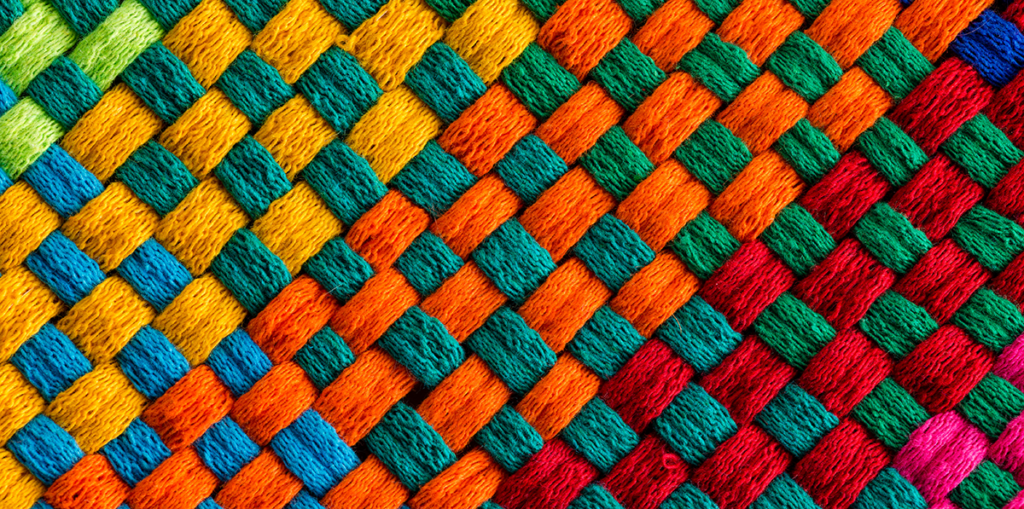
In everyday language, the terms “knit” and “fabric” are used interchangeably. Professionals know, however, that the difference between these two materials is huge. Fabrics are produced on looms, in weaving processes, and are always made of warp and weft threads crossing at right angles. Fabrics made of the same yarns as knits have less elasticity than the latter, are more expensive to produce, and do not provide as much comfort of use as knits. Additionally, they require more complicated processes for constructing clothing forms.

fabric weave

Raw materials for the production of fabrics and knitwear

Both knitwear and fabrics can be produced from the same textile raw materials, which, apart from cotton, include:

  • linen – a natural plant fibre particularly suitable for light summer clothing due to its good hygienic properties, e.g. breathability, the ability to absorb sweat, and the high durability of materials made from this raw material;
  • silk – a natural fibre obtained from silkworm cocoons; it is considered a very noble and exclusive raw material; in knitted structures, unglued silk is usually used (matte in appearance and very pleasant to the touch, with excellent hygienic properties) or as a raw material left over from the production of smooth silk fabrics, e.g. satins;
  • wool – this is a covering – fleece obtained from certain animals: sheep, camels, goats or llamas; as a textile raw material it is characterised by high thermal insulation, while at the same time being breathable and having excellent water absorption (moisture from sweat); it is used to produce a whole range of knitted and woven fabrics;
  • viscose – a cheaper, artificial alternative to natural cotton, often an addition to other fibres, e.g. cotton.

The natural and artificial fibers listed above (viscose) are fully biodegradable raw materials. There are also materials available on the market made from synthetic raw materials, including:

  • Nylon – is a polyamide fiber with a wide range of applications; in knitted fabrics it is usually intended for structures for the production of sportswear or as an addition to other fibers (e.g. cotton, increasing the strength of such a knitted fabric and reducing its tendency to abrasion);
  • polyester – this raw material is used on its own to produce sportswear or mixed with cotton or other fibres to improve, for example, durability, crease resistance, strength of materials made from such a mixture; polyester and polyamide with appropriate fibre structures (channel, multi-lobed and others) are used to produce functional materials with increased usability (e.g. with increased thermal insulation or, on the contrary, well ventilating or wicking away sweat).

These are just some examples of textile raw materials. There are many more on the market.

What is the difference between fabric and knitwear? 

The differences between fabric and knitwear are huge. Fabric, as mentioned earlier, is nothing more than a weave of two sets of threads crossed at a right angle. In knitwear, on the other hand, the threads intertwine in the form of loops. And this is the key difference between these two materials. Fabrics are characterized by the fact that they are stiffer, less flexible than knitwear, and require more complex structural cuts, especially when they are used to make clothes with a line “close to the body”. Knitwear, due to its stretchability and elasticity, works well in the broadly understood clothing industry, especially for the production of everyday clothing, underwear, sportswear, functional clothing, and outdoor clothing. Wherever we need comfort of use, where freedom of movement is required, it is better to use knitwear than fabrics. Knitwear is also irreplaceable in the production of clothing for babies and children. They are also commonly used for decorative and technical products, e.g. mattress covers, furniture covers, sheets, car and furniture upholstery, and in many other products.

What is the difference between fabric and knitwear?

Knitted fabrics are called 21st century structures because their production technology is cheaper, less energy-intensive, easier to automate and program, and enables the production of tailored products (ready-made clothing forms) or 3D (e.g. seamless knitted clothing). Knitted fabrics also meet the expectations of the modern clothing consumer – the need to have comfortable, easy-to-maintain clothing. Knitted clothing is often a single-layer structure (without linings), which makes it more susceptible to recycling processes.

When choosing the right material, it is always worth paying attention to its origin, quality, reliability of the raw material composition and locality of production. Remember to buy from trusted suppliers!

The production of knitwear requires years of experience and a precise approach to products. It is also necessary to have a modern machine park, as well as qualified employees. The knitwear shop is also important. Knitwear is one of the basic materials used, among others, for sewing blouses. If you are looking for a proven knitwear store, check what you should know about their manufacturer. Knitwear manufacturer – check what to look for when looking for the right one!

Knitwear production. It is worth checking the manufacturer

The company’s reputation has always played a huge role in the process of choosing the right knitwear factory. Before buying knitwear, it is worth reading the opinions of other users about a given manufacturer. A manufacturer of cotton knitwear should be punctual. Also, pay attention to its website. A modern platform is a company’s showcase. Only after verifying the basic information about the company, decide whether you want to buy from it.

Customer in focus, or what a company can offer

Knitwear is produced by a dozen or even several hundred companies in Poland. Although the COVID pandemic has significantly reduced the number of companies operating in this area. A good knitwear store is a treasure these days. However, before you decide to buy materials, check what philosophy a given company follows . What is worth knowing about it?  

  • Are its products created with respect for the natural environment?
  • Is it durable and what is the quality of the knitwear and fabric?
  • What is the returns policy.
  • And what is the general approach to the customer.

A Polish knitwear manufacturer will be the best choice for purchasing materials. The assortment of selected companies also includes printed knitwear.

Polish cotton knitwear – Polish knitwear manufacturer

Are you looking for sports knitwear? This clothing requires special treatment. Poland is famous for knitwear. The textile industry developed primarily in Łódź. In 1820, textile settlements could be found in the city. To this day, there are historic textile factories in Łódź. It is no wonder that Polish knitwear is appreciated all over the world. It is mainly exported to European Union markets, and the value of export is growing. The pandemic has slightly disrupted the market, but everything is slowly returning to normal. Choose a Polish knitwear manufacturer to be sure that you will receive sweatshirt or other materials in the best possible quality.

Fabrics and knits in trend

At a good material manufacturer you should find everything that is currently in trend. A high-quality knitwear store offers modern materials, including knitwear or sweatshirt materials, which are fashionable. To create this type of material, you need above all… passion. In addition, the manufacturer should have modern machinery so that the material is of the highest quality, and so it is repeatable. It is not an art to buy material that will not meet our expectations.

Top quality at wholesale prices

If you are interested in buying wholesale, be sure to check the production capabilities of a given company. Find out how much cotton knitwear they have in stock and also calculate your demand. It is necessary to check the timeliness of a given store. After all, you cannot be late in fulfilling orders for your customers. Another important issue when shopping at a knitwear wholesaler is payment options. See if the company uses convenient payment methods.
We produce high quality knitwear. We take care of the most demanding customers.

If you are looking for knits for sewing, it is time to learn how to choose the right store. What to look for? And how can we be sure that a given knit will be suitable for sewing a specific garment? Find out more in our article.

What are cotton knit fabrics?

One of the most popular materials with the right weave. Among knits, you can distinguish not only cotton ones. Sweatshirt materials are also knits. This material is characterized by the right weave, extraordinary elasticity, softness and stretchability. Cotton knitwear is used for sewing summer and winter clothes: mainly hats, scarves and gloves. The knitwear wholesaler provides a full range. Check how to choose textiles.

Check what sweatshirt fabric is

Knitwear that is used for sewing thicker clothes, including tracksuits. Hence its name. It is divided into two main types: loop and single jersey. The first one is smooth on one side, and has a loop on the other. Due to its softness, it is very often used for sewing children’s clothing. In adult collections, sweatsuits or sweatshirts are made of loop jersey. Single jersey, on the other hand, is a very thin, light and elastic knitwear. It is much thinner than the previously mentioned loop.

Online store. What does a good wholesaler offer?

It is important who produces them. A Polish knitwear manufacturer guarantees the right quality materials. They gain a competitive advantage by having the right machinery and certified materials of the highest quality. A knitwear manufacturer should have the right reputation on the market. The opinions of other customers play a key role. Before you decide to buy fabrics, find out as much as you can about their manufacturer. The production of knitwear is a complicated process, but it is worth fighting for the highest quality knitwear.

Fabric and knitwear manufacturer shop

There are authorized stores on the market that sell knitwear from a single manufacturer. In addition, you can go to one that has fabrics from several manufacturers in its offer. Let’s also note that the pandemic has caused a significant increase in the e-commerce sector. It is estimated that the market will grow annually, by as much as 10 to even 15 percent. Therefore, many companies also sell fabrics online. This is a convenient solution, but intended for people who know exactly what they want. If you are just starting your adventure with choosing fabrics and sewing, it is better to go to the store yourself to touch the material.

How to choose a store ? Check its materials

The main role when choosing a knitwear store should be played by the quality of the materials. Before you decide to buy, ask the seller if they have ecological variants, as well as how the fabric is made. If you are just starting your sewing adventure, the seller himself will play a huge role. It is important that he can advise what is currently in trend and what should be avoided. Remember that you can also have printed elements on knitwear. The fabric store should provide you with what you are looking for.

Another criterion: price

One of the most important selection criteria – apart from quality – is price. It should not be too low or too high. Check the prices of the materials on the Internet, and also see what the price list of the competition looks like. Remember, however, that too low a price should be a warning to you. Good quality materials must cost. Their production is costly. Price is one of the criteria. Another is the wide selection, as well as the quality of the knitwear.

Availability and punctuality

According to Poles, the location of the store also plays a major role. Convenient access, as well as parking for customers, are factors that encourage shopping in this particular store, and not in another. In addition, opening hours are important. Many people work from 8 to 16, so if a store is only open during these hours, it may be doomed to failure. Another key issue is punctuality. Choose stores that will fulfill your order on time. There are not always enough materials in stock. And remember: always look for high-quality knitwear.
You already know what factors to look for: quality, price, availability of goods and timely delivery of the order. Also ask the store about the appropriate material certificates to be sure that you are buying from reliable sources.

Are you interested in our knitwear? Check out our recommended products